Digital platforms expand artists’ global reach
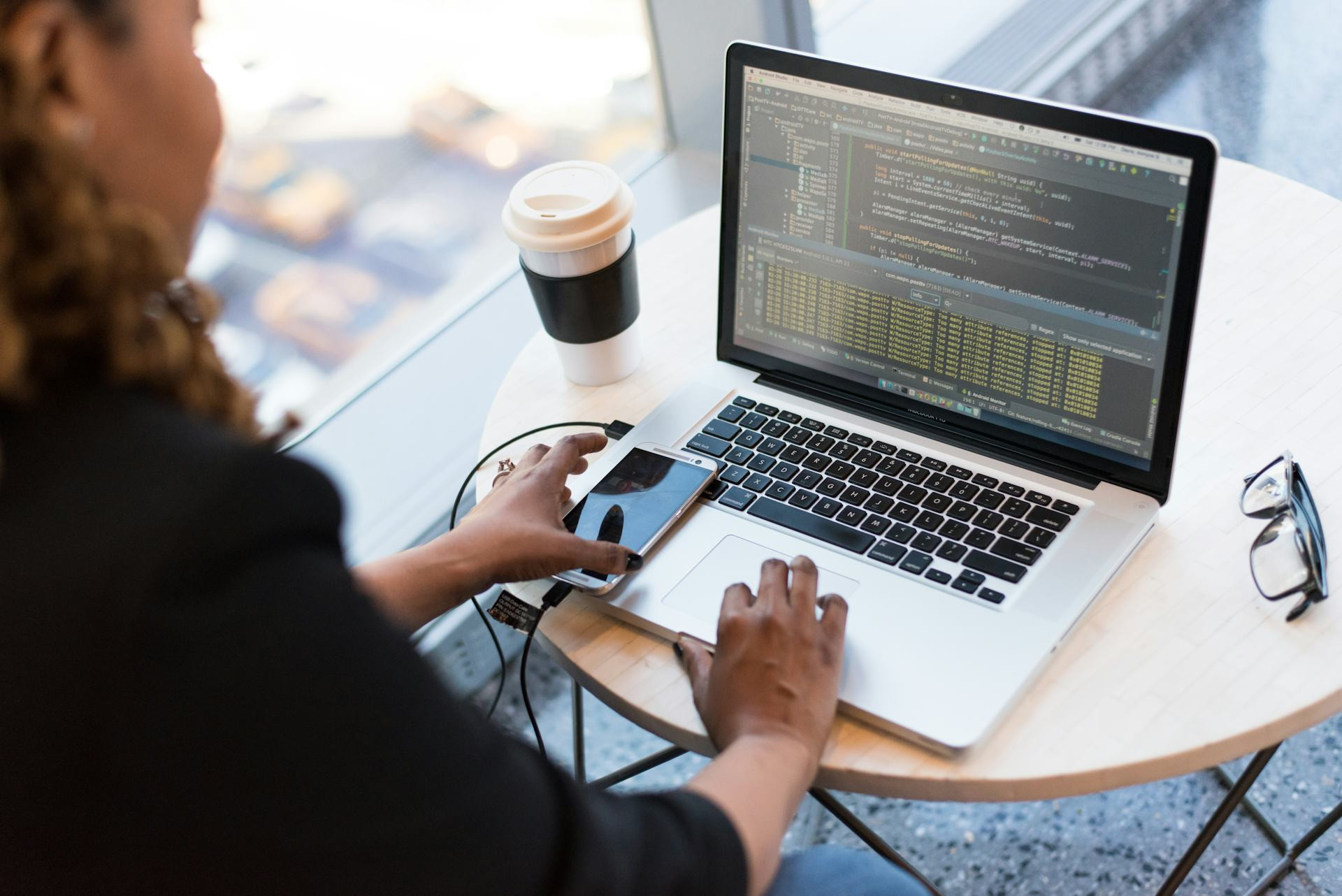
Digital platforms expand artists’ global reach
Over the past two decades, the internet has transformed how artists connect with audiences. Where once they relied on galleries, record labels or publishers, creatives can now share their work directly with the world through digital platforms. Social media, streaming services and online marketplaces have made it possible for both established and emerging artists to build a global following – often without intermediaries.
From local scene to global audience
In the past, an artist’s reach was often limited by geography. A musician might perform at local venues, a painter exhibit in a nearby gallery, and a writer hope to be published by a national press. Today, a single video, digital artwork or song uploaded online can reach millions within hours.
Platforms such as YouTube, Instagram, TikTok and Spotify have allowed artists to create their own distribution channels. This means a singer in Melbourne can gain fans in Berlin, São Paulo and Seoul without ever leaving home. The digital infrastructure has, in many ways, levelled the playing field between cultural centres and remote regions.
New ways to create and collaborate
Digital platforms have not only changed how art is shared, but also how it is made. Many artists now work with digital tools that enable experimentation and collaboration across borders. Musicians can record together through cloud-based studios, and visual artists can sell digital works or limited-edition prints directly to collectors around the world.
Social media has also created a new kind of dialogue between artist and audience. Comment sections, livestreams and interactive formats make it possible to receive instant feedback and build communities around creative work. The relationship has shifted from one-way communication to a more open and participatory process.
Challenges in the digital landscape
While the opportunities are vast, the digital shift also brings challenges. The competition for attention is fierce, and social media algorithms can be unpredictable. Building a consistent online presence requires both strategic thinking and persistence.
Digital distribution also raises questions about copyright, income and ownership. Many artists find that earnings from streaming or online sales are modest compared to the exposure they receive. As a result, more creatives are experimenting with alternative models such as crowdfunding, memberships and direct-to-fan sales.
Audiences as co-creators
One of the most striking changes is that audiences are increasingly becoming active participants in the life of art. Fans share, remix and reinterpret works, giving artists new forms of visibility. At the same time, this can blur the boundaries of who owns and defines a piece of art.
This evolution has led to a more fluid understanding of the artist’s role. Many now see themselves not only as creators, but also as curators, communicators and community builders. The digital space becomes not just a showcase, but a living environment where art and culture evolve in constant dialogue with audiences.
Læs også:


A new era for creative work
Digital platforms have made it easier than ever to share art – but also more complex to navigate. For some, this means freedom and global reach; for others, uncertainty and constant competition. What unites all artists is that technology has changed the rules of what it means to be creative in the 21st century.
Ultimately, it’s not only about reaching the largest possible audience, but about finding an authentic voice in a global digital chorus. The artists who use technology as a tool for connection and authenticity are the ones best positioned to thrive in this new era of creative work.
Læs også: