Error-Free Code Cleanup: How to Make Old Code More Readable and Robust

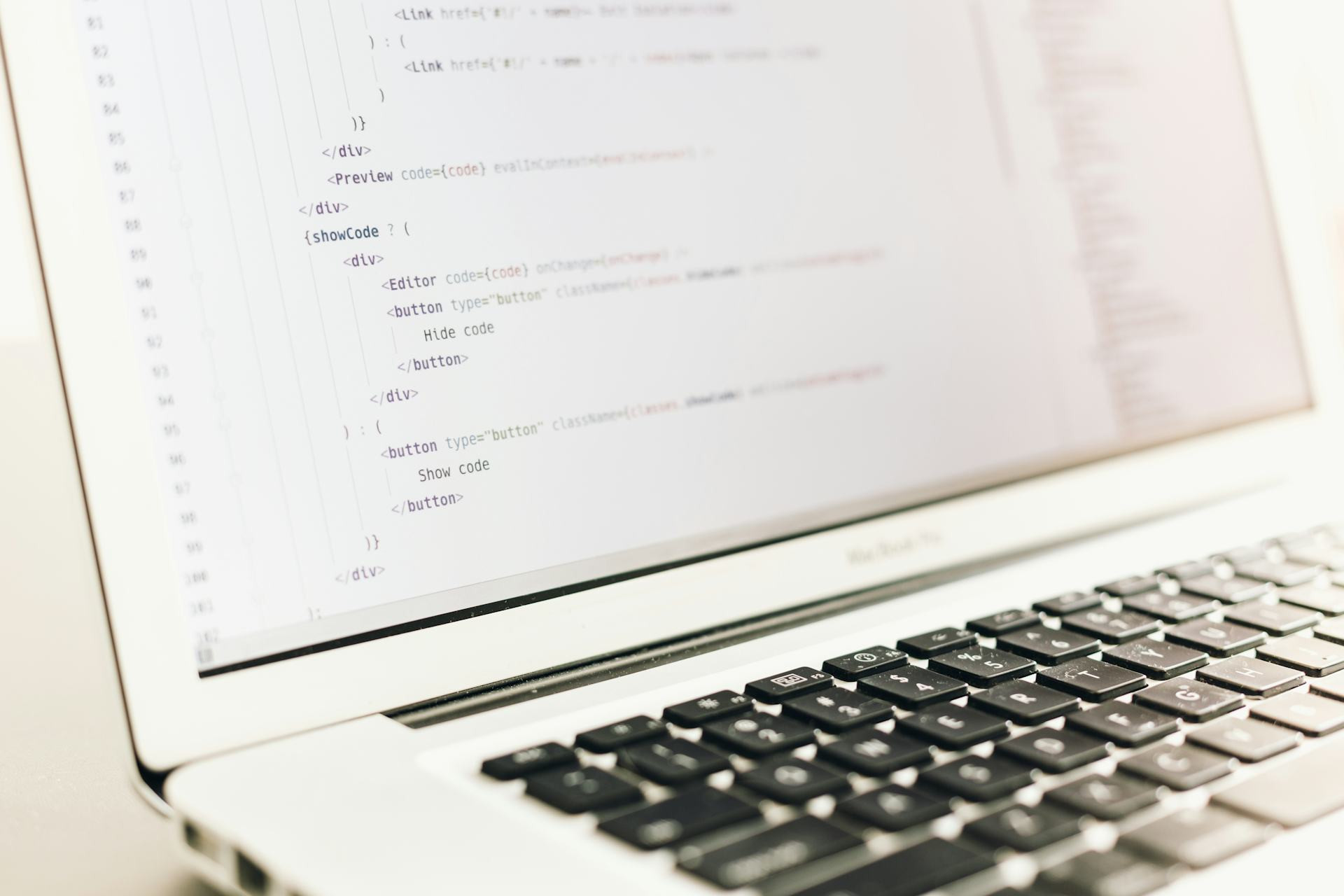
Error-Free Code Cleanup: How to Make Old Code More Readable and Robust
Every developer has faced it: that old codebase that “just works,” but no one dares to touch. Maybe it was written years ago by a colleague who’s long since moved on, or maybe by you during a hectic sprint. The code runs fine – but it’s hard to read, harder to modify, and nearly impossible to test. Code cleanup, or refactoring, is about improving the structure of code without changing what it does. It takes patience, discipline, and respect for the work that came before. Here’s a guide to cleaning up old code safely and effectively – without introducing new bugs.
Start by Understanding, Not Changing
It’s tempting to dive straight in and start rewriting, but the first step is always to understand what the code actually does. Read through it carefully, trace the data flow, and map out the logic. Use tools like debuggers, call graphs, or even simple print statements to see how functions interact.
Take notes as you go: What does this function do? Why does this variable exist? What assumptions does the code rely on? These notes not only help you understand the system but also serve as lightweight documentation for others who’ll work on it later.
Set Up a Safety Net: Test Before You Touch
Before changing a single line, make sure you can detect if something breaks. That means tests. If automated tests already exist, run them and check their coverage. If not, write a few simple tests that confirm the current behaviour of the code.
Even a handful of tests can make a big difference. They act as a safety net, catching errors as you refactor. This gives you confidence to make small, safe improvements without fear of breaking something critical.
Clean Up in Small Steps
Refactoring should be gradual. Instead of rewriting entire modules, focus on small, contained areas – a single function, a naming pattern, or a repeated block of code.
After each change, run your tests. If everything still works, move on. If something fails, you’ll know exactly where to look. This iterative approach keeps the process controlled and reduces risk – especially important when working on production systems that can’t afford downtime.
Læs også:

Make the Code More Readable
Readability is the foundation of robust code. As you clean up, ask yourself: Could a new developer understand this without explanation? If not, consider:
- Using meaningful names – avoid abbreviations or inside jokes. A good name tells you what something does.
- Breaking up long functions – each function should do one thing well. If it’s doing too much, split it up.
- Removing duplicated code – repetition increases the chance of errors. Consolidate shared logic.
- Adding concise comments – not to explain what the code does, but why it does it that way.
Small improvements in naming and structure can make a huge difference for you and your team.
Use Tools and Standards
Modern development environments offer plenty of tools to help you find and fix issues automatically. Linters, formatters, and static analysis tools can highlight unused variables, inconsistent styles, and potential bugs before they cause trouble.
It’s also worth adopting a shared coding standard within your team. Consistent style makes code easier to read and maintain – no matter who wrote it. Many Australian tech teams use automated formatting rules in their CI pipelines, saving time and avoiding debates about indentation or bracket placement.
Document as You Go
As you refactor, document the decisions you make. Why was a function changed? What assumptions were removed? Which parts of the code are still fragile? A short note in the commit message or a brief comment in the code can save hours of confusion later.
Good documentation isn’t about writing long manuals – it’s about making your reasoning clear so others can follow your thought process.
Know When to Stop
Code cleanup can easily become endless. There’s always something that could be a little neater or a little smarter. But the goal isn’t perfection – it’s improvement. When the code is easier to read, simpler to test, and free from major pitfalls, you’ve done enough.
The key is to make the code more robust and maintainable – without introducing new errors along the way.
An Investment That Pays Off
Cleaning up old code might not feel glamorous, but it’s an investment in the future. Every time you make the code a bit clearer, you save time and frustration down the track. You make it easier for yourself and your colleagues to build on it – and you reduce the risk of small bugs turning into big problems.
In the end, code cleanup is about respect: for the craft, for your teammates, and for the software you’re helping to build.
Læs også: