Organise your media files in the CMS – and enjoy a more efficient workday

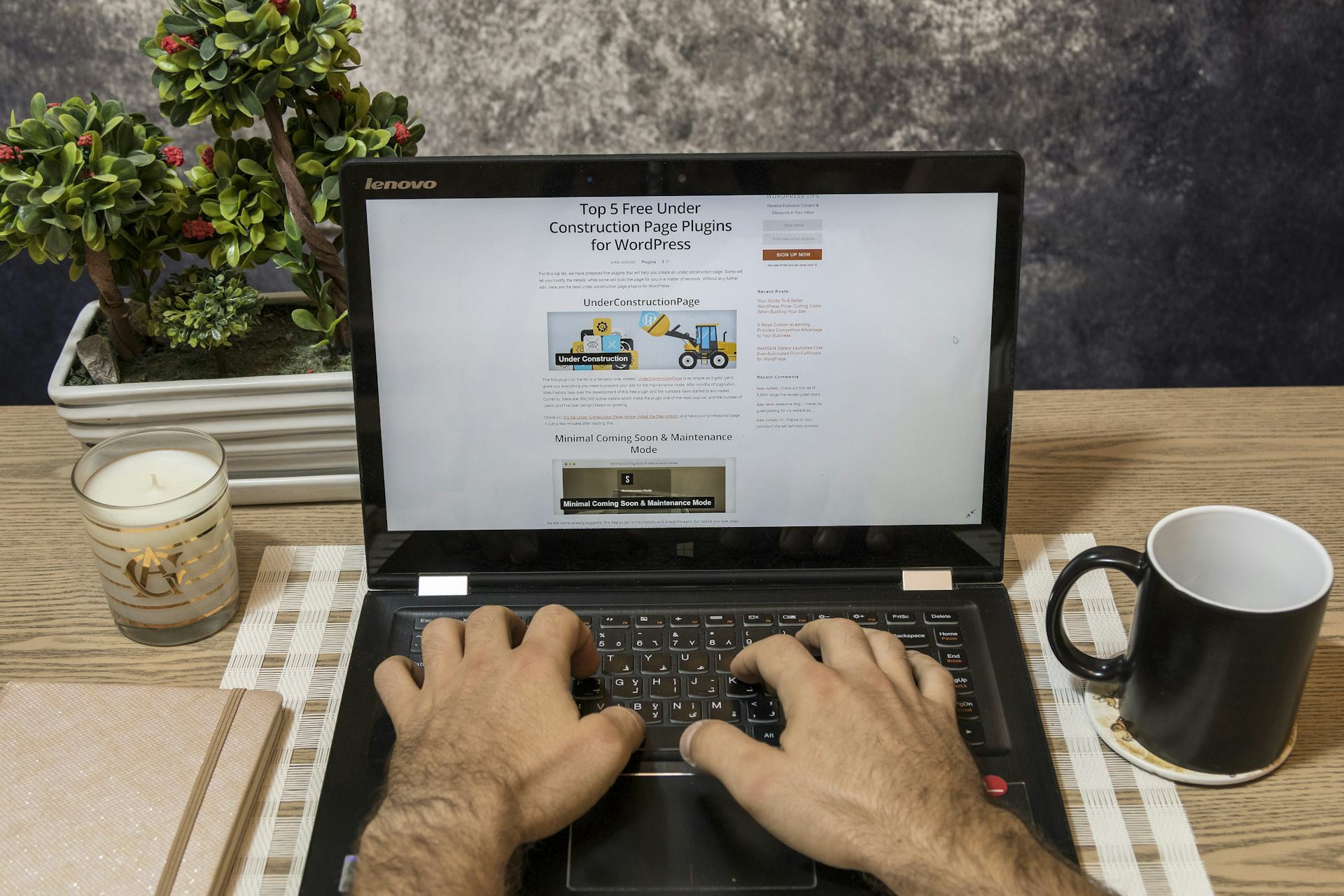
Organise your media files in the CMS – and enjoy a more efficient workday
A well-functioning website isn’t just about great design and engaging content – it’s also about structure. For many content editors and communications professionals, the media library in the CMS can quickly become a mess: images without names, duplicates, outdated files, and folders that no longer make sense. The result? Wasted time, frustration, and a higher risk of mistakes. But with a clear strategy for organising your media files, you can save time, gain control, and make your workday far more efficient.
Why structure in your media library matters
When you work in a CMS, the media library is your digital archive. It holds everything from images and graphics to documents and videos. If it’s not organised, it can quickly become difficult to find what you need – especially when several people are working on the same site.
A messy library can lead to:
- Lost time – searching for files you know you’ve uploaded but can’t locate.
- Errors – using the wrong image or an outdated version.
- Unnecessary clutter – uploading the same file multiple times because you can’t find the original.
A good structure makes it easy to find, reuse, and update files – saving both time and server space.
Start with a plan – and stick to it
Before you start cleaning up, it’s important to have a plan. Think about how you and your team use the media library, and create a few simple guidelines that everyone can follow.
- Naming conventions: Agree on a consistent way to name files. For example, “product-name-date-format.jpg” or “event-name-year.pdf”. This makes searching and sorting much easier.
- Folders and structure: Create a logical folder hierarchy that reflects your content – for instance, “Images / Articles / 2024” or “Documents / Media / Logos”.
- Permissions: Decide who can upload and delete files. Fewer hands mean less chaos.
- Version control: Keep only the latest versions of files and remove outdated ones.
Once the structure is in place, maintaining order becomes much easier.
Læs også:



Make the most of your CMS features
Most modern CMS platforms – such as WordPress, Umbraco, or Drupal – include tools that can help you manage your files more effectively. Use them to your advantage.
- Tags and metadata: Add keywords, descriptions, and alt text. This improves searchability, SEO, and accessibility.
- File size and formats: Use your CMS’s built-in image optimisation to avoid heavy files that slow down your site.
- Search filters: Learn how to use search filters effectively – for example, by file type, date, or author.
- Automatic clean-up: Some CMSs can show which files are no longer used on any pages. That’s an easy way to identify and delete unnecessary files.
By using the tools already available, you can automate much of the maintenance work.
Make clean-up a regular habit
Even the best structure only works if it’s maintained. Set aside time for regular clean-ups – for example, once every quarter.
- Review folders and delete unused files.
- Check that file names still follow your naming conventions.
- Update metadata and alt text if content has changed.
- Remove duplicates and old versions.
It might seem like a small task, but it makes a big difference over time. A tidy media library is like a clean desk – you work faster and with more focus.
Share the guidelines with your whole team
A good structure only works if everyone follows it. Create a short guide or document outlining your rules for file naming, folder structure, and clean-up routines. Store it in your internal knowledge base or as part of your CMS editor guide.
Consider also running a short introduction for new editors so they understand the system from day one. The more people who know the structure, the easier it is to maintain it.
An investment that pays off
Organising your media files might not sound exciting, but it’s an investment in efficiency. When you can quickly find the right image, avoid mistakes, and ensure your whole team works within the same system, you free up time for what really matters – creating great content.
A well-organised media library isn’t just nice to look at. It’s the foundation of a professional website and a smoother, more productive workday.
Læs også: