Tablets in the Service of Learning: From Early Childhood Education to Adult Education


Tablets in the Service of Learning: From Early Childhood Education to Adult Education
In just a few years, tablets have moved from being entertainment devices to becoming essential tools in education – from early childhood settings to adult learning environments. Their portability, access to digital resources, and interactive features have transformed how Australians learn and teach. But how can tablets best serve learning, and what challenges come with their use?
The First Steps: Tablets in Early Childhood Education
Across Australia, many early learning centres are introducing tablets as part of play-based learning. Educators use them to support language development, creativity, and early digital literacy. Children might record short videos, take photos of nature, or explore apps that teach letters and numbers through play.
Early childhood educators emphasise that tablets should complement, not replace, hands-on play. When used thoughtfully, they can encourage collaboration and storytelling, helping children understand technology as a creative and communicative tool rather than just a screen for passive entertainment.
Læs også:



Primary and Secondary Schools: From Blackboard to Touchscreen
In Australian schools, tablets have reshaped classroom practice. Students can research, create presentations, and submit assignments digitally. Teachers find that tablets make it easier to tailor lessons to individual needs – students can work at their own pace and access materials suited to their level.
Interactive learning apps, digital science labs, and collaborative platforms make lessons more engaging. However, structure is key: without clear guidelines, screens can easily become distractions. Many schools have introduced digital wellbeing policies and encourage regular screen-free breaks to maintain balance.
Senior Secondary and Vocational Education: Flexibility and Responsibility
In high schools, TAFEs, and vocational training, tablets are now part of everyday study. They provide access to e-textbooks, online lectures, and collaborative tools. For many students, this means greater flexibility – but also greater responsibility for managing their own learning.
Teachers use tablets to diversify instruction, combining visual, auditory, and interactive elements. In vocational settings, tablets allow students to document projects, record practical work, and connect theory with real-world applications. The technology supports independent learning while keeping students connected to their peers and instructors.
Adult and Continuing Education: Learning on the Go
For adults balancing work, family, and study, tablets have opened new doors. Online courses, video tutorials, and interactive learning platforms make it possible to learn anytime, anywhere. This flexibility is particularly valuable in regional and remote areas of Australia, where access to traditional classrooms can be limited.
However, self-directed learning requires discipline. Many adult education providers now offer guidance on digital study habits and time management, helping learners use technology actively and purposefully rather than passively consuming content.
Benefits and Challenges
The benefits of tablets in education are clear: increased motivation, easier access to information, personalised learning, and enhanced collaboration. Yet challenges remain. Screen time, focus, and digital distraction are ongoing concerns for teachers, parents, and learners alike.
There are also practical considerations – maintaining up-to-date devices, ensuring reliable internet access, and providing professional development for educators. Technology alone does not guarantee better learning outcomes; it is the pedagogical approach that makes the difference.
The Future of Digital Learning
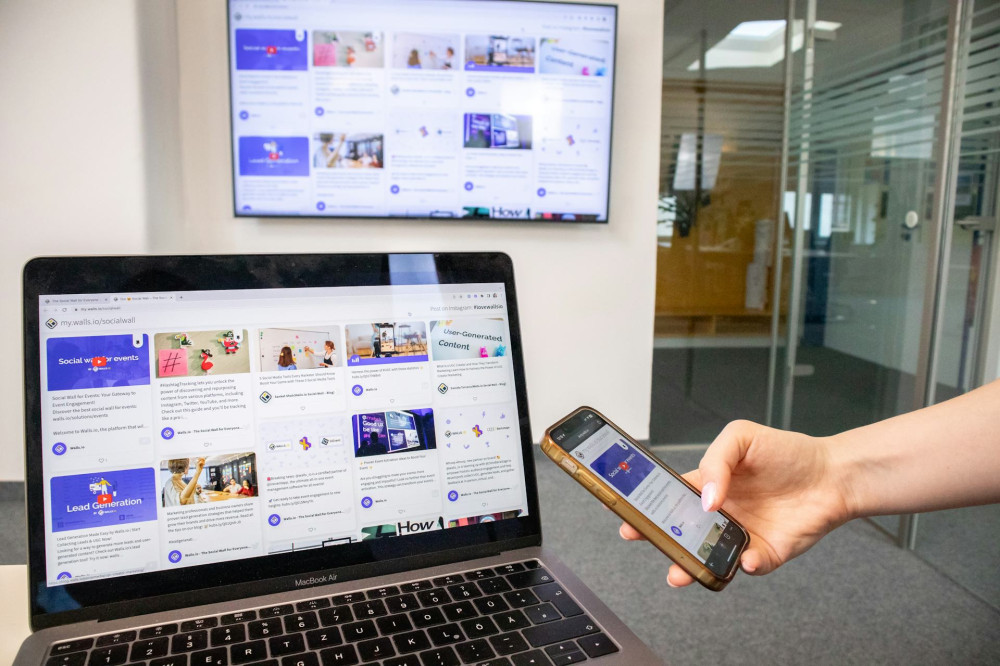
Tablets are here to stay in Australian education. The future points toward even more integrated digital learning environments, where tablets, laptops, and interactive displays work together. Artificial intelligence and adaptive learning systems may soon tailor lessons even more precisely to individual learners.
But amid this technological progress, one truth remains: learning is fundamentally human. Tablets can support, inspire, and expand opportunities, but they cannot replace the relationships, curiosity, and creativity that lie at the heart of education.
Læs også: