Protect Your Devices in Public Spaces – How to Avoid Theft and Data Loss

Protect Your Devices in Public Spaces – How to Avoid Theft and Data Loss
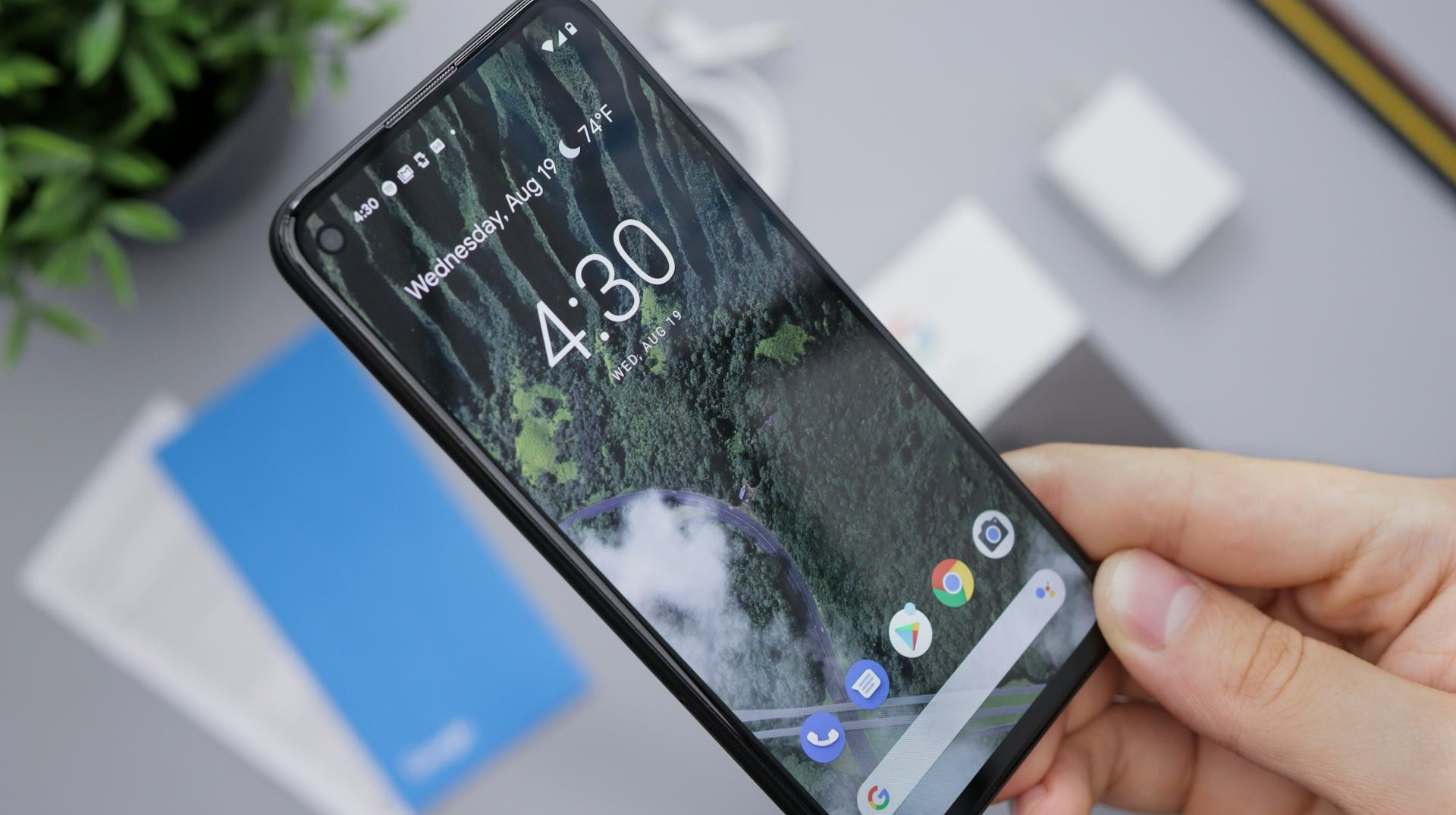
Smartphones, laptops, and tablets are essential tools in everyday life. We use them for work, payments, communication, and entertainment – often while on the move. But when you’re out and about, your devices are more vulnerable than at home: a moment of distraction can be enough for them to be stolen or for your data to end up in the wrong hands. Here’s a guide to help you protect both your devices and your information when you’re in public spaces across Australia.
Know the Common Risks
Theft and data loss often happen when we’re not paying attention. It could be at a café, on public transport, in a library, or at the airport. A thief only needs a few seconds to grab a laptop from a table or a phone from a bag. But the risk isn’t just physical – digital threats such as insecure Wi-Fi networks or malicious charging stations can also compromise your data.
Understanding the most common risks is the first step toward protecting yourself:
- Physical theft – especially in busy areas where you might set your device down.
- Digital attacks – for example, through open Wi-Fi networks or fake charging ports.
- Accidental data loss – if you misplace your device and it’s not protected by a passcode or encryption.
Keep Track of Your Devices
It sounds simple, but many thefts happen because the owner loses sight of their device for just a moment. Make it a habit to always know where your devices are.
- Use a zipped or secure bag and keep it close to your body.
- Never leave your phone or laptop unattended – not even for a quick trip to the counter.
- Use a laptop lock if you’re working in a café, library, or co-working space.
- Enable tracking features like “Find My iPhone” or “Find My Device” so you can locate it if it goes missing.
A good habit is to do a quick check before leaving any place: phone, wallet, keys, laptop – all accounted for.
Protect Your Data with Strong Security
Even if your device is stolen, you can prevent others from accessing your information by setting up proper security measures.
- Use a strong password or PIN – avoid simple combinations like “1234” or birthdays.
- Enable biometric login (fingerprint or facial recognition) where available.
- Encrypt your data – most modern devices do this automatically, but make sure it’s turned on.
- Set your screen to lock automatically after a short period of inactivity.
It’s also wise to enable remote wipe features so you can erase your data if the device is lost or stolen.
Be Careful with Public Wi-Fi
Free Wi-Fi in cafés, hotels, airports, and shopping centres can be convenient – but it’s not always safe. Hackers can intercept data sent over unsecured networks or create fake hotspots that look legitimate.
- Avoid logging into banking, email, or work accounts on open networks.
- Use a VPN connection to encrypt your internet traffic.
- Turn off automatic Wi-Fi connections, so your device doesn’t connect to unknown networks without your approval.
- Disable file sharing unless you specifically need it.
A safer alternative is to use your mobile data or set up a personal hotspot – it’s usually faster and more secure.
Be Wary of Public Charging Stations
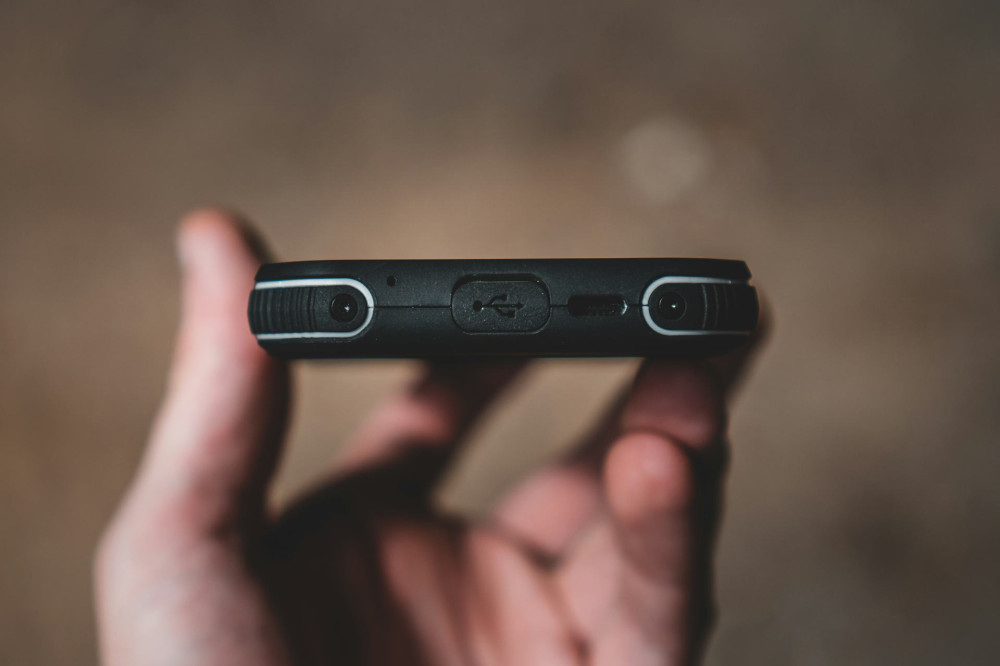
Many airports, shopping centres, and train stations now offer free USB charging ports, but these can pose a risk. “Juice jacking” occurs when a compromised charging port attempts to transfer data from your device.
- Use your own charger and power adapter instead of public USB ports.
- Carry a “data blocker” cable, which allows power but blocks data transfer.
- Watch your screen when connecting – if it asks for permissions you don’t understand, disconnect immediately.
Security Starts with Good Habits
Technology helps, but the best protection comes from awareness and routine. Stay alert when using your devices in public, and think about how you store and handle them. A few small precautions can save you from major problems later.
Consider making a quick checklist: Are your devices updated, encrypted, and password-protected? Do you have backups of your important files? The more prepared you are, the less damage a loss can cause.
Læs også:


If the Worst Happens
If you do lose a device, act quickly:
- Use tracking features to locate or lock the device.
- Change passwords for your email, social media, and other accounts.
- Contact your bank if payment details were stored on the device.
- Report the theft to the police – you’ll need a report for insurance claims.
- Notify your employer if it’s a work device.
The faster you respond, the better your chances of limiting the damage.
Stay Safe Wherever You Go
Protecting your devices isn’t about being paranoid – it’s about being prepared. With a few smart habits, you can stay secure and confident whether you’re working from a café, checking emails on the train, or streaming a movie at the airport. Digital safety in public spaces starts with awareness – and ends with peace of mind.
Læs også: