Gaming as a Sanctuary: A Social and Mental Break in a Busy Everyday Life

Gaming as a Sanctuary: A Social and Mental Break in a Busy Everyday Life
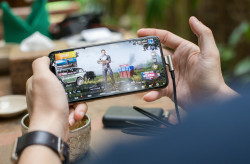
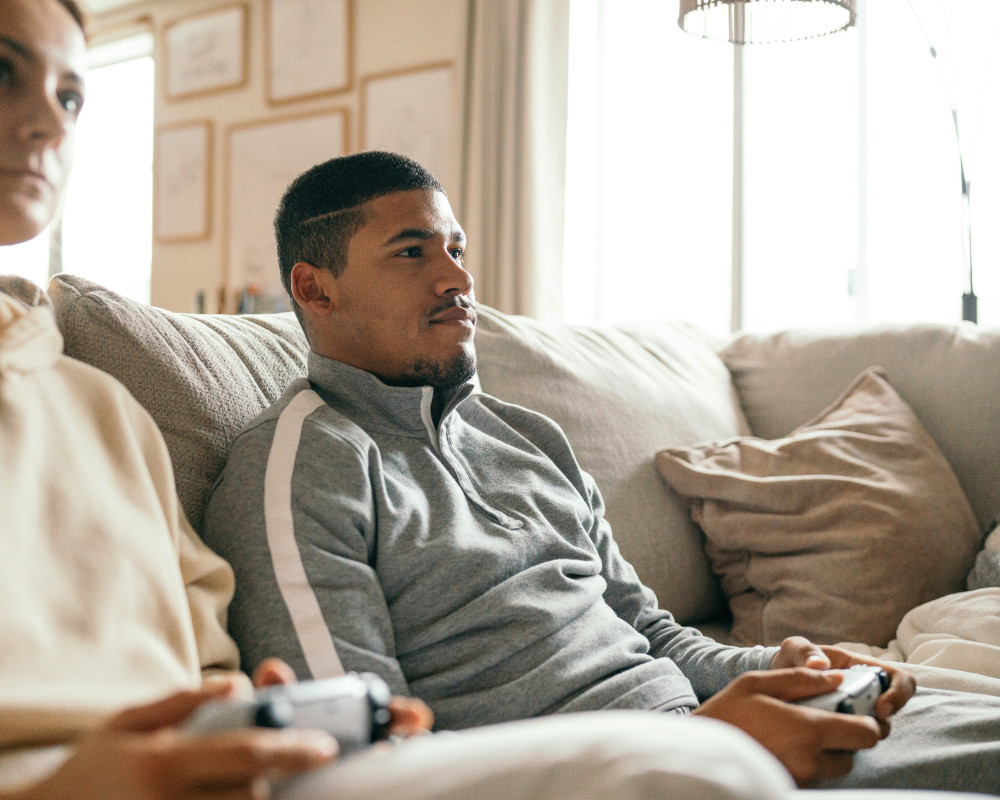
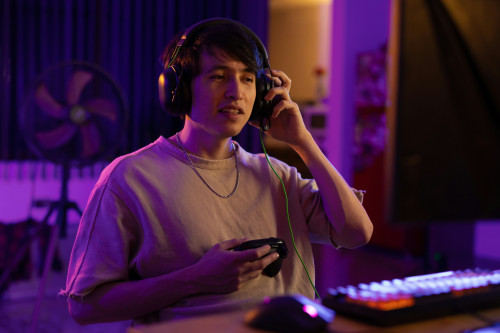
In a world where work emails, social media notifications, and daily responsibilities never seem to stop, many Australians are looking for ways to unwind. For some, it’s a walk along the beach or a surf at sunrise. For others, it’s gaming. Once seen as a pastime for teenagers, gaming has evolved into a space for people of all ages to relax, connect, and recharge on their own terms.
A Digital Escape from Everyday Pressures
When you start a game, you step into another world. It might be a high-stakes adventure through a fantasy realm, a quick match of footy with friends online, or a quiet puzzle game that lets you think at your own pace. What unites many players is the sense of being able to leave behind the stress of daily life, even if just for a little while.
Research has shown that gaming can help reduce stress by giving the mind something engaging and goal-oriented to focus on. Much like reading a good book or watching a film, gaming offers immersion—but with the added benefit of being an active participant in the story.
The Social Side of Gaming
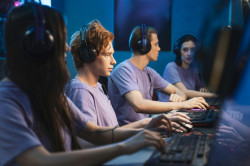
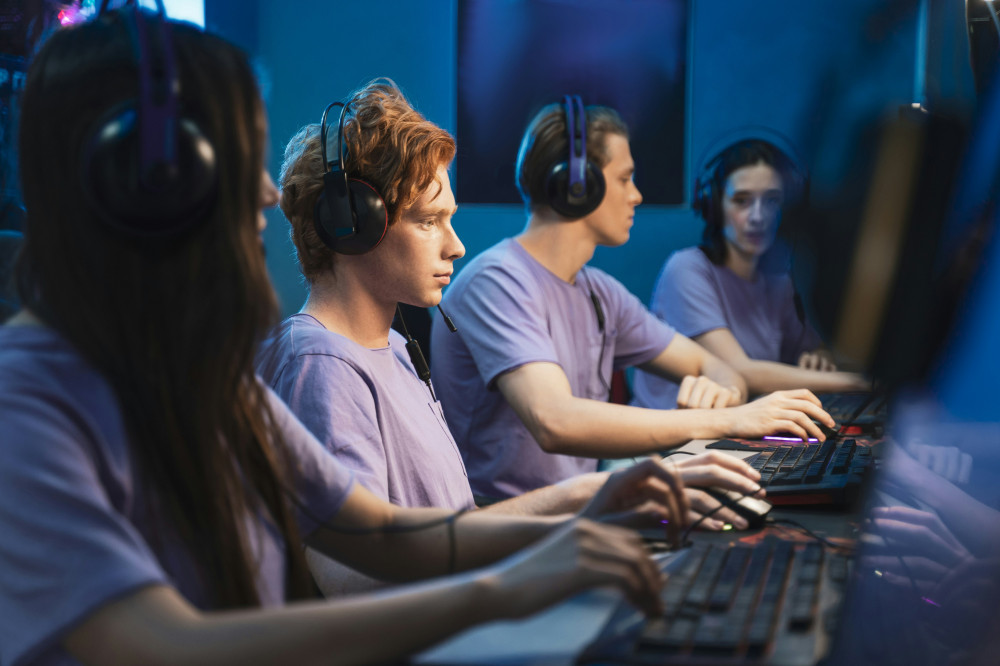
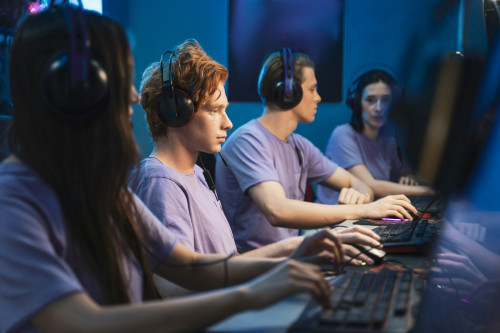
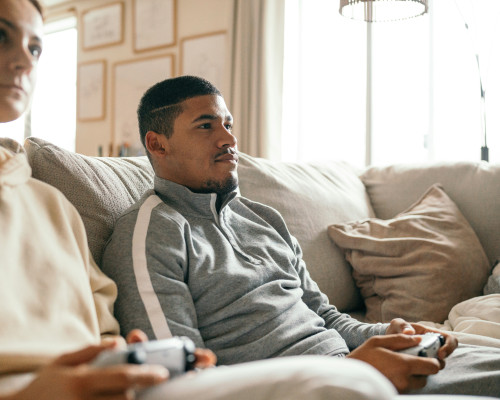
Gaming today is far more social than many realise. Online platforms connect players across Australia and around the world, creating communities that often extend beyond the screen. For some, it’s a way to meet like-minded people who share their sense of humour, interests, and play style.
During times of isolation—such as the lockdowns experienced across Australia—gaming became a vital social outlet. Friends could meet up in virtual worlds, chat, and collaborate, even when they couldn’t gather in person. This has made gaming a modern form of social connection, where the sense of community is often just as important as the gameplay itself.
Læs også:
A Mental Pause with Room for Focus
Many players describe gaming as a way to find mental calm. Immersing yourself in a game’s rhythm, logic, and challenges can help clear the mind after a long day of work or study. It’s a form of active relaxation—one that allows you to reset and refocus.
Games that involve strategy, creativity, or problem-solving can also stimulate the brain in positive ways. It’s not just about winning; it’s about learning, improving, and engaging deeply with something you enjoy. For some, gaming becomes a kind of moving meditation—a space where focus and relaxation meet.
Finding Balance in Everyday Life
While gaming can be beneficial for mental health and social connection, balance is key. Too much screen time can interfere with sleep, exercise, and other important parts of life. The goal is to make gaming a healthy part of your routine, not a replacement for it.
Setting boundaries—like scheduling gaming sessions or taking regular breaks—can help keep it a positive habit. When approached mindfully, gaming becomes a deliberate pause in a busy day, a way to unwind without losing track of time or priorities.
Gaming as Part of Modern Australian Life
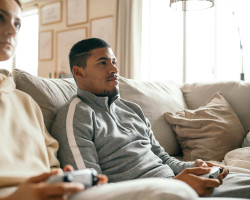
Today, gaming is a natural part of many Australians’ lives, right alongside watching sport, streaming shows, or spending time outdoors. It’s a space for creativity, competition, and connection. For some, it’s about achieving goals and mastering challenges; for others, it’s simply about relaxing and having fun.
No matter how you play, one thing is clear: gaming can be much more than entertainment. It can be a sanctuary—a place to be yourself, to switch off from the noise, and to find new energy for the everyday challenges of modern life.
Læs også: