Points, Badges and Levels – How Gamification Works

Points, Badges and Levels – How Gamification Works
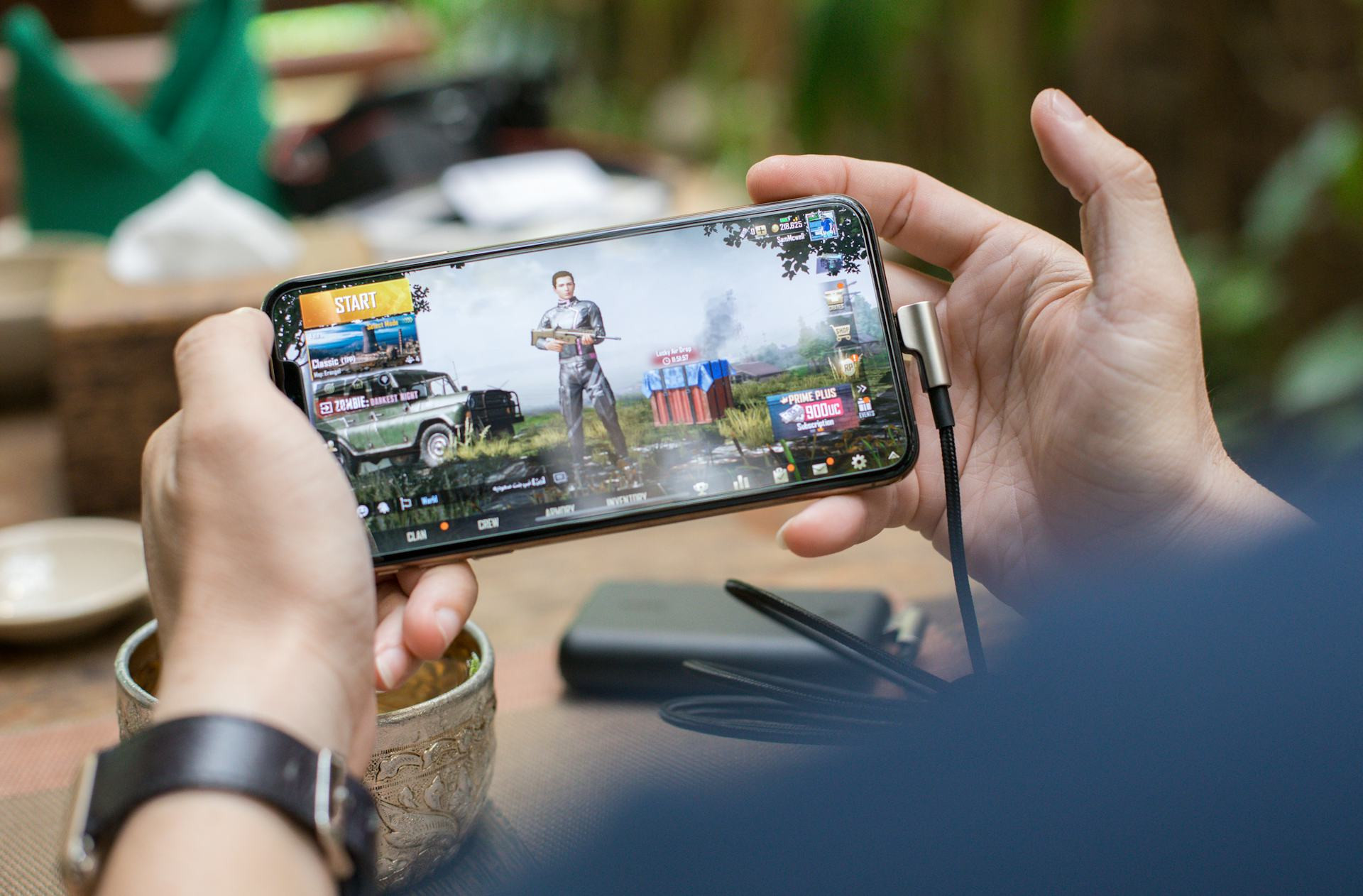
Gamification has quietly become part of everyday life in Australia. From fitness trackers and language-learning apps to workplace training and education, game-inspired systems are everywhere. But what exactly is gamification, and why does it work so well? In short, it’s about using elements from games – such as points, badges and levels – to motivate people in situations that aren’t games at all. It taps into our natural desire to achieve, improve and be recognised.
What Is Gamification?
Gamification doesn’t mean turning everything into a game. Instead, it’s about borrowing the mechanics that make games engaging and applying them to other contexts. When your smartwatch congratulates you for closing your activity rings, or when your learning app shows a streak for studying every day, that’s gamification in action.
The goal is to make activities more motivating and sustainable. It can help employees complete training programs, students stay engaged in their studies, or users return to an app day after day.
Læs også:



Points – The Instant Reward
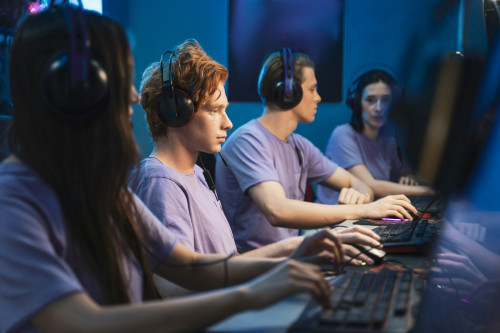
Points are the simplest and most common form of gamification. They act as an immediate reward for an action: you do something, and you earn points. It might be answering a quiz question correctly, finishing a task, or reaching a daily goal.
Points give a sense of progress and control. They make improvement visible and can be used to compare performance – either with yourself or with others. In many systems, points can also unlock new features or access to higher levels, adding an extra layer of motivation.
Badges – Symbols of Achievement
Badges, or digital trophies, mark special accomplishments. They might be awarded for completing a challenge, maintaining a streak, or reaching a milestone – like running 100 kilometres in a month or finishing an online course.
Even though badges don’t always have a practical function, they have strong psychological power. They appeal to our need for recognition and status. Many people enjoy collecting badges, especially when they can display them publicly on a profile or share them on social media.
Levels – The Path to Mastery
Levels provide structure and direction. They show how far you’ve come and what lies ahead. Moving up a level gives a sense of improvement and mastery – and that motivates you to keep going.
In many systems, tasks become gradually more challenging as you progress. This keeps the experience engaging and prevents boredom. Unlocking new features or privileges at higher levels adds another layer of reward and satisfaction.
Why It Works
Gamification works because it connects with some of our most basic psychological needs:
- Autonomy – the feeling of control over our own actions.
- Competence – the sense of getting better at something.
- Relatedness – the enjoyment of being part of a community or comparing ourselves with others.
When these needs are met, motivation increases – both in games and in everyday activities. That’s why gamification can be such a powerful tool when used thoughtfully.
When Gamification Misses the Mark
Despite its potential, gamification isn’t a magic solution. If rewards feel artificial or if the system focuses only on points and leaderboards, it can backfire. Users lose interest when the activity stops feeling meaningful.
The best gamification builds on genuine motivation – where game elements support an activity that already has value. It’s not about tricking people into doing something, but about making it more enjoyable and rewarding.
Gamification in Everyday Australian Life
Australians encounter gamification more often than they might realise. Fitness apps like Strava and Fitbit turn exercise into a friendly competition. Educational platforms use streaks and badges to keep students engaged. Workplaces use points and leaderboards to encourage participation in training or wellness programs. Even loyalty schemes at supermarkets and airlines use game-like systems to keep customers coming back.
When designed with care, gamification can make everyday tasks more engaging – helping us stay motivated, reach our goals and maybe even have a bit of fun along the way.
Læs også: