Training as an Esports Player: Sharp Reflexes, Precise Aim and Strong Teamwork

Training as an Esports Player: Sharp Reflexes, Precise Aim and Strong Teamwork
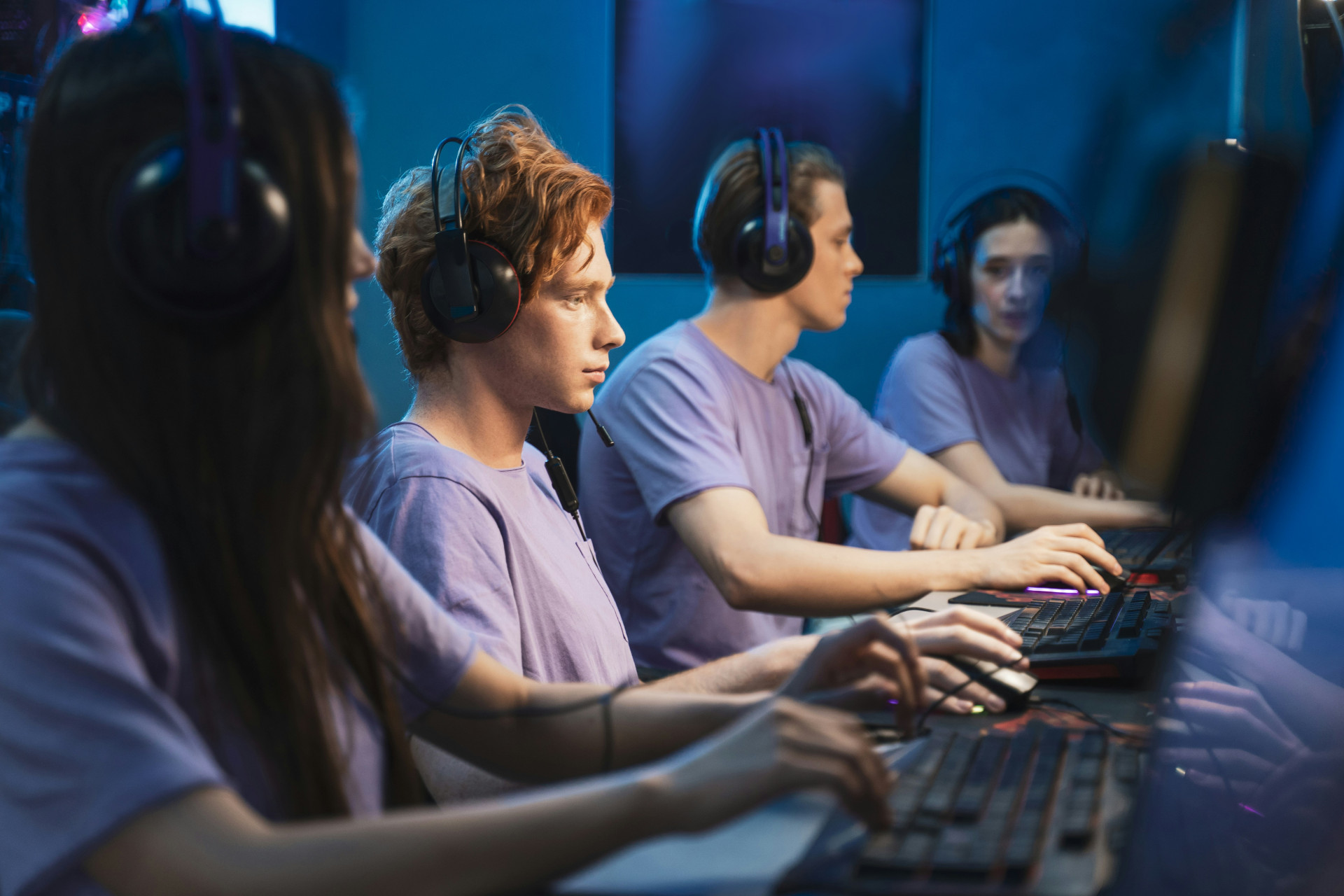
Esports has grown from a niche hobby into a professional discipline that rivals traditional sports in structure, intensity and global reach. Behind every lightning-fast play and high-stakes tournament lies hours of focused training, analysis and teamwork. To perform at the top level, players need more than raw talent – they need discipline, structure and a deep understanding of both the mental and physical sides of competition. Here’s a look at how professional esports players train to stay sharp – individually and as a team.
Reaction Time – Milliseconds Make the Difference
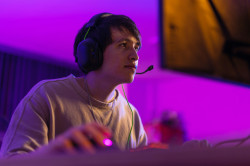
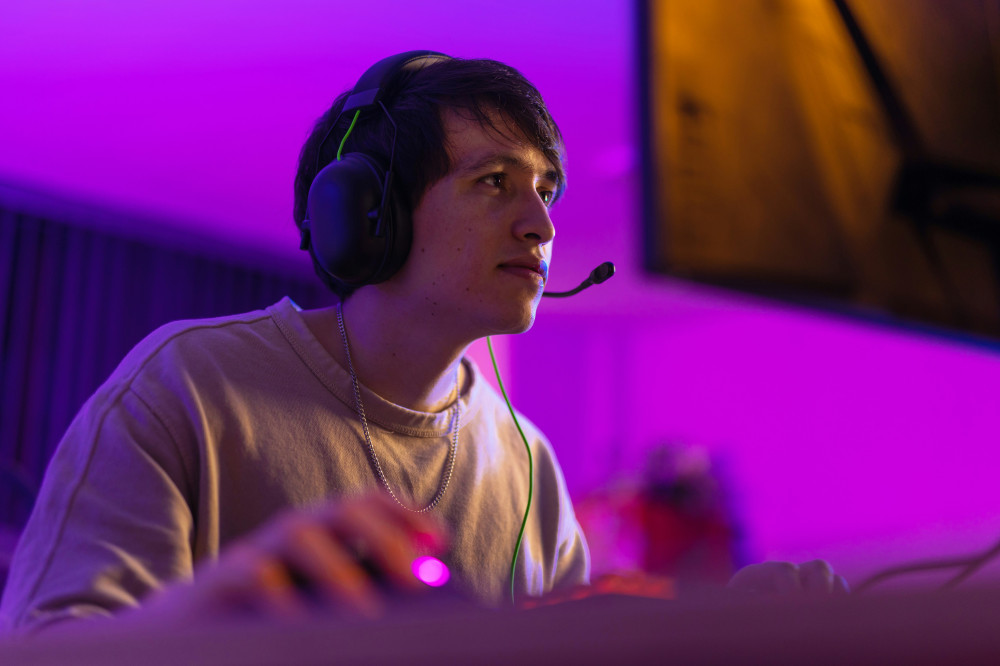
In competitive titles like Counter-Strike 2, Valorant and League of Legends, a single reaction can decide the outcome of a match. Professional players therefore train their reflexes with the same dedication that sprinters train their starts.
Common training methods include:
- Aim trainers that measure precision and speed.
- Reflex drills, where players respond to visual cues on screen.
- Short, high-intensity sessions that simulate the pace and pressure of real matches.
Many players also incorporate physical activities to improve coordination and reduce fatigue. Exercises like table tennis, light strength training or hand-eye coordination games can help maintain focus during long tournaments – something especially important when competing across time zones, as Australian teams often do.
Læs også:
Precision and Technique – Equipment and Mindset
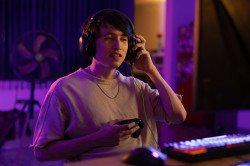
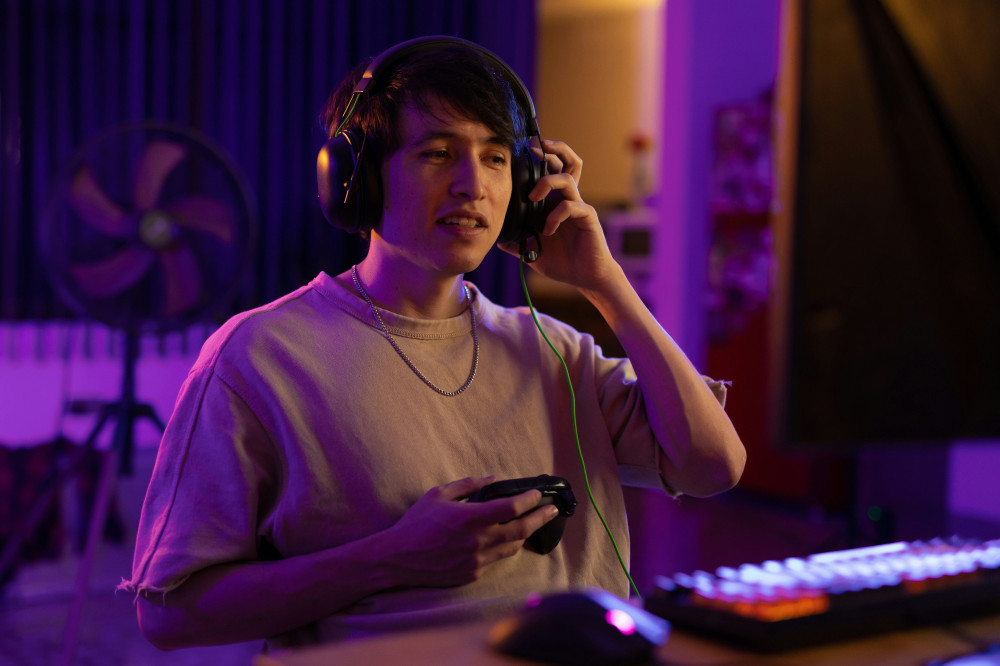
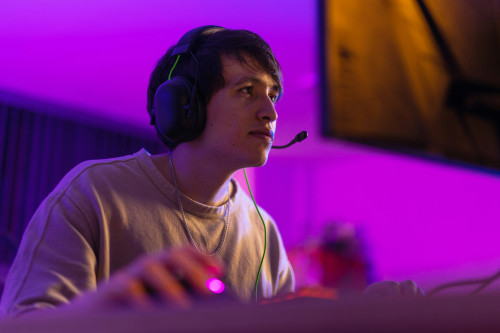
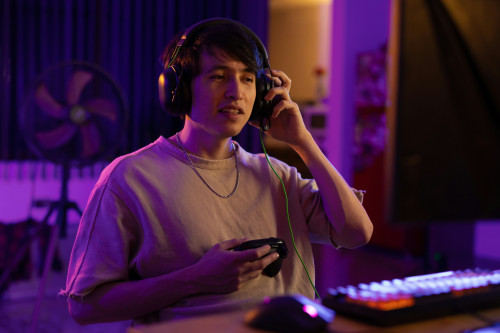
Accuracy isn’t just about speed; it’s about control. Professional players spend countless hours fine-tuning their gear and perfecting their technique. Mouse sensitivity, keyboard layout and even desk height can influence performance.
Training often focuses on:
- Muscle memory – repeating movements until they become automatic.
- Consistency – maintaining accuracy under pressure and fatigue.
- Error analysis – reviewing gameplay to identify and correct mistakes.
Top Australian teams, such as those competing in the ESL ANZ Champs or international qualifiers, often work with coaches who help players develop personal playstyles that highlight their strengths. It’s not just about shooting faster – it’s about thinking strategically and staying calm under pressure.
Teamwork – Communication as the Key to Victory
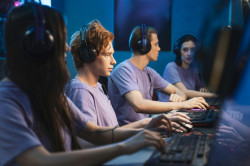
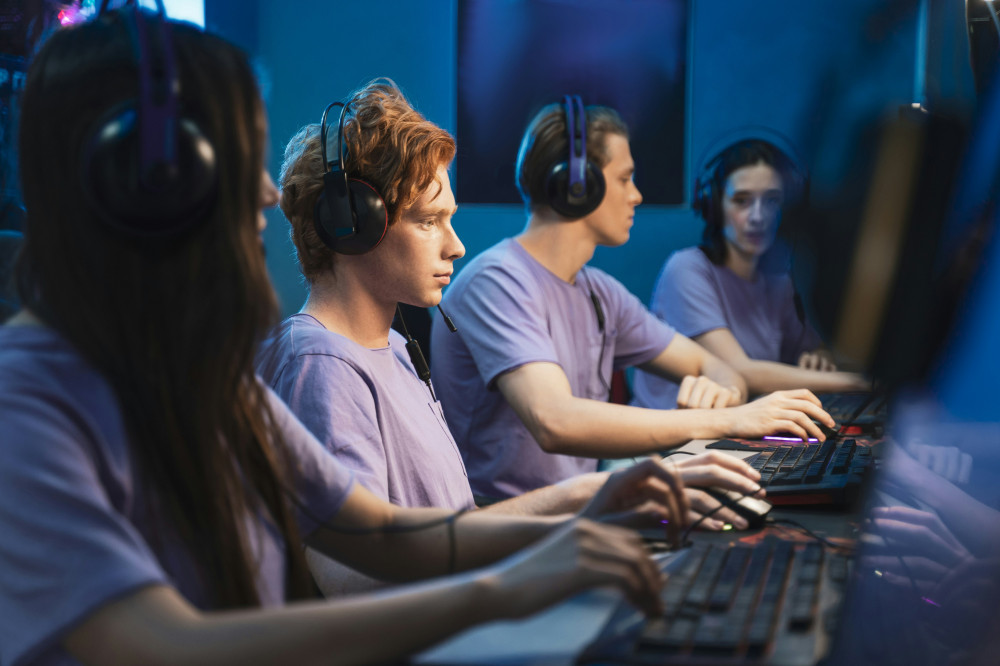
Even the most skilled individual can’t win alone. In esports, teamwork and communication are essential. A team that understands each other’s roles and communicates clearly has a far greater chance of success.
Teams dedicate significant time to:
- Tactical training, refining strategies and in-game roles.
- Communication drills, ensuring concise and effective callouts.
- Team-building activities, both online and in person, to strengthen trust and cohesion.
Many professional organisations now employ sports psychologists to help players manage stress, resolve conflicts and maintain motivation. A healthy team environment is just as important as technical skill.
Physical and Mental Balance
Although esports takes place in front of a screen, physical health plays a major role in performance. Long hours of practice can lead to fatigue and strain, so maintaining good posture, taking regular breaks and staying active are crucial.
Professional teams often include routines such as:
- Daily exercise – running, yoga or gym sessions.
- Balanced nutrition – to sustain energy and focus.
- Mental training – meditation, visualisation and mindfulness exercises.
Mental resilience often separates the best from the rest. Staying composed when everything is on the line requires training and experience – just like in any elite sport.
A Structured Professional Routine
A day in the life of a professional esports player resembles that of a traditional athlete. The schedule includes practice blocks, match reviews, physical workouts and rest periods. Many Australian teams follow structured routines to balance training with travel and international competition.
It’s a demanding lifestyle, but structure is essential for consistent performance. Esports is no longer just a pastime – it’s a career, with sponsors, fans and global tournaments setting high expectations.
The Future of Esports Training
Esports training continues to evolve alongside technology. Tools like eye-tracking, AI-driven analytics and VR simulations are already being used to enhance performance. At the same time, there’s growing emphasis on wellbeing, sleep and sustainable routines – because even the most talented player can’t perform without a healthy body and mind.
Esports in Australia is thriving, with local leagues, university programs and grassroots communities supporting the next generation of players. Yet at its core, the essence remains the same: passion, teamwork and the constant drive to improve – click by click, match by match.
Læs også: